Anti-Ageing
Anti-Ageing Skincare: Separating Fact From Marketing
August 4, 2026
What actually causes skin to age
Skin ageing is not caused by a single factor a product can simply switch off. It's driven by a combination of genetics, which sets your baseline; cumulative sun exposure, which is the single biggest external contributor to visible ageing; and lifestyle factors like sleep, stress, diet and smoking. Understanding this mix matters because it explains why no cream, serum or device can promise to 'reverse' ageing — the causes are too varied, and several of them (genetics, years of past sun exposure) aren't something any topical product can undo.
Why 'anti-ageing' claims deserve a skeptical read
The skincare industry uses 'anti-ageing' loosely, and it's worth knowing what the term usually does and doesn't mean. It almost never means reversing existing changes to the skin — it typically refers to supporting the skin's appearance going forward, such as texture, radiance or firmness looking better with consistent care.
Be wary of language like 'clinically proven' without context, specific percentage claims, or promises of permanent results — skin is dynamic, and any real cosmetic benefit depends on continued use, not a one-time fix. Reputable brands describe what a product is designed to do and how skin may look with consistent use, rather than guaranteeing an outcome.
What actually helps
The interventions with the strongest, most consistent evidence behind them are unglamorous: daily sun protection, not smoking, and a simple, consistent skincare routine you actually stick to. Sunscreen in particular is widely regarded as the single most impactful thing you can do for how skin looks over time, because it limits ongoing UV damage rather than trying to correct it after the fact.
Beyond that, consistency tends to matter more than any individual product's ingredient list. Cleansing properly, keeping skin hydrated, and giving a routine enough time to show its effects will generally do more than switching products every few weeks chasing the next claim.
How to read a product claim
A useful habit is to ask three questions of any anti-ageing claim: what specifically does it say the product does, is that framed as an appearance benefit or a medical one, and does it depend on consistent use over time. Claims that are vague ('turn back time'), medicalized ('treats' or 'cures' signs of ageing), or promise permanence are the ones to be most skeptical of — genuine cosmetic products describe appearance-based, ongoing benefits, not medical outcomes.
Where a device like LumiSpa iO fits in
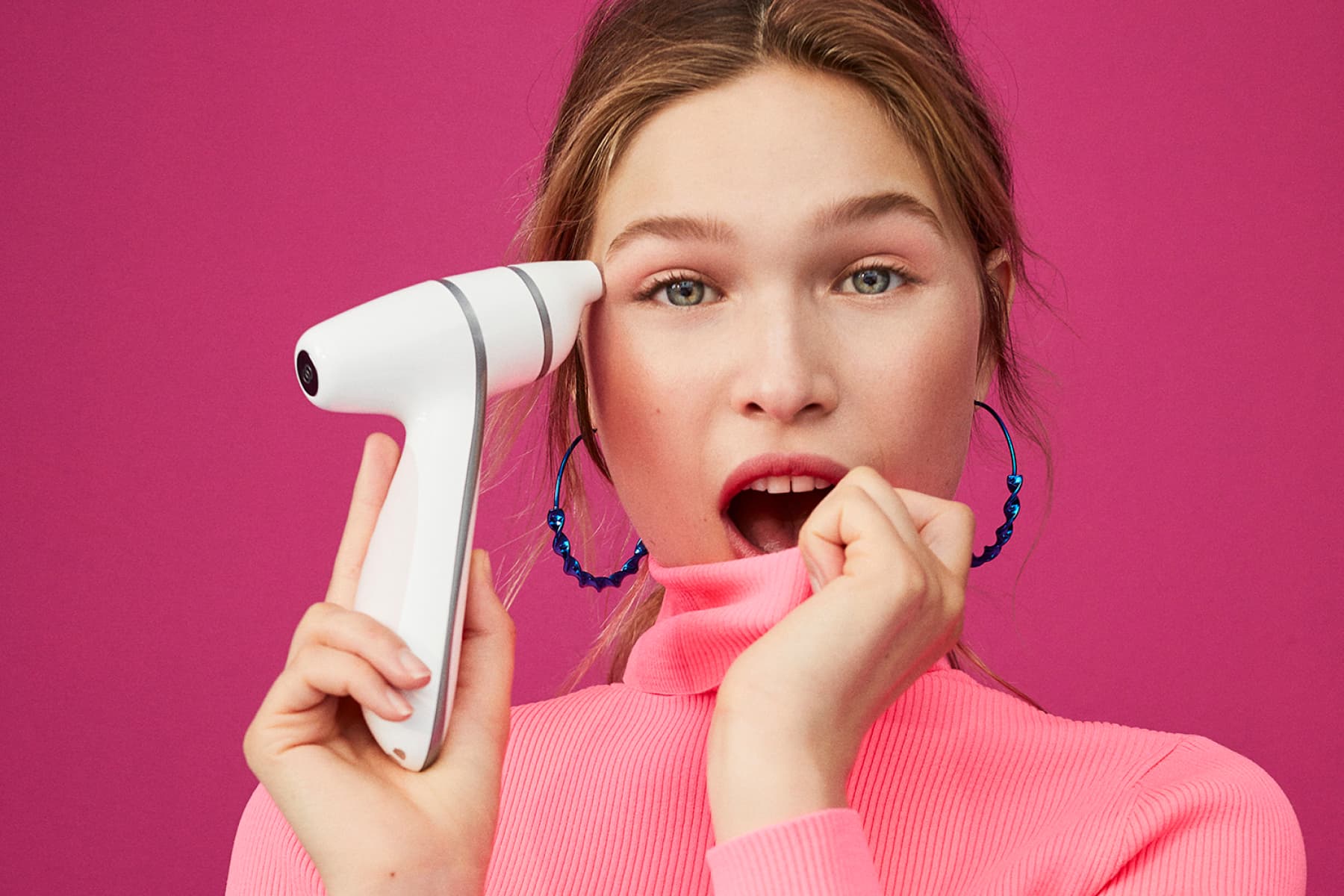
None of this is to say devices and products don't play a role — they do, as part of a broader routine, not as a substitute for sun protection or consistency. LumiSpa iO, for example, is designed to deeply cleanse away daily impurities, oil and makeup residue as part of your regular routine, and with consistent use, skin may look more radiant and fresher-looking. That's a genuine, appearance-based benefit tied to consistent use — not a claim to reverse ageing, and it works best alongside daily sun protection rather than instead of it. Individual experiences vary, and a device is one part of a routine, not the whole answer.
Frequently asked questions
Can any product actually reverse skin ageing?
No cosmetic product reverses ageing. Ageing is influenced by genetics, cumulative sun exposure and lifestyle factors, and cosmetic products can support the skin's appearance going forward, not undo years of prior change.
What single habit makes the biggest difference?
Daily sun protection is widely considered the most impactful habit, since it limits ongoing UV damage, which is the largest external driver of visible skin ageing.
Should I be suspicious of 'clinically proven' claims?
Not automatically, but it's worth checking what specifically was studied and under what conditions. Vague or unqualified claims, or promises of permanent or dramatic results, deserve more scrutiny than specific, appearance-based claims tied to consistent use.
Does a more expensive product mean better anti-ageing results?
Not necessarily. Consistency, sun protection and a routine suited to your skin type tend to matter more than price point.
How long does it take to see a difference from a routine change?
Skin's appearance responds gradually, and individual experiences vary — most consistent routines are given weeks, not days, before assessing whether they're making a visible difference.
ageLOC LumiSpa iO
See pricing, cleanser options and how to buy.